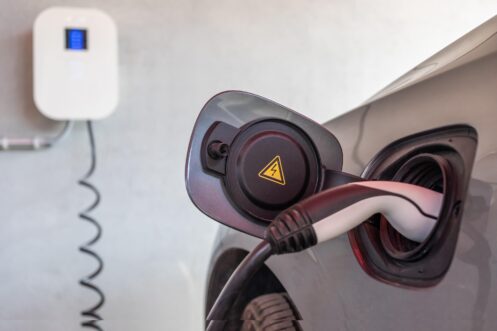


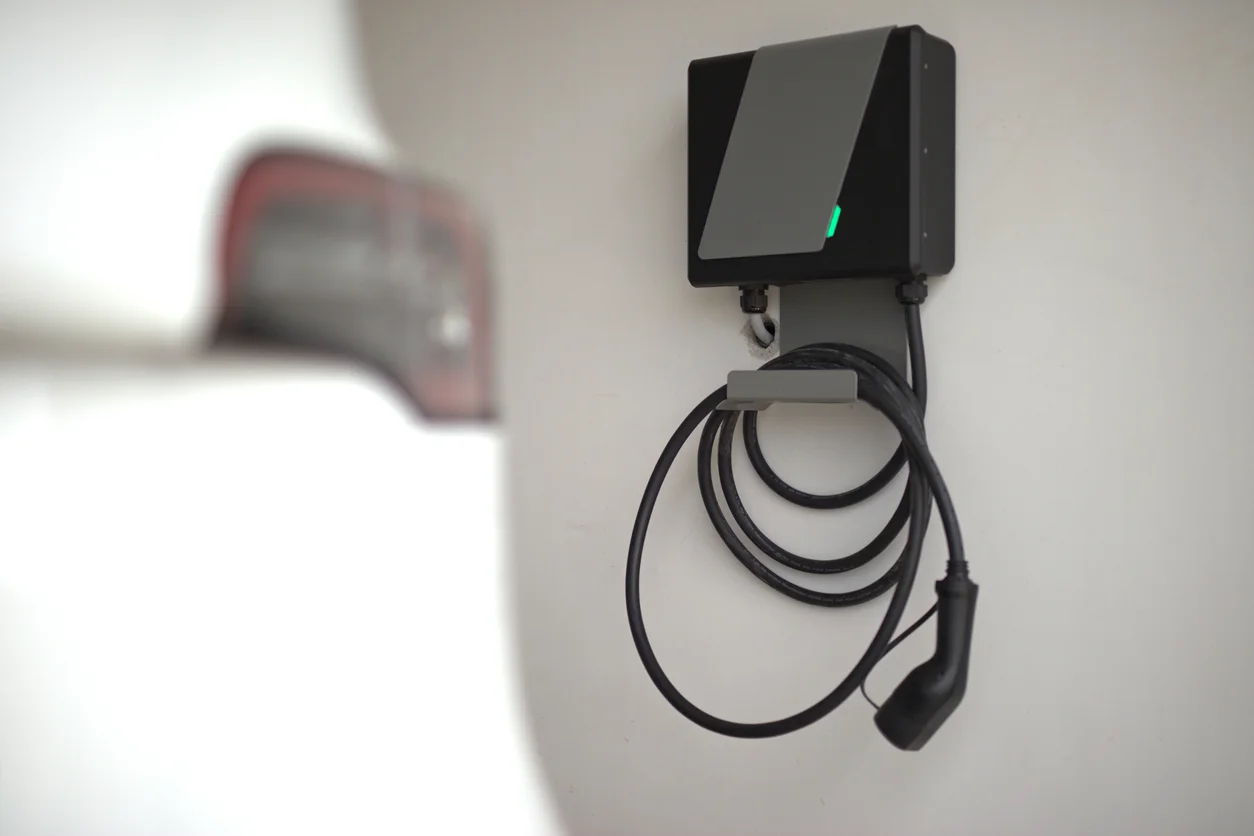
Bringing home an electric vehicle comes with a lot of excitement—but before you can enjoy the convenience of charging at home, it is worth asking one important question: Is your house ready for an EV charger?
While most homes can support EV charging, the installation process is not always as simple as plugging in a new appliance. Your electrical panel, parking setup, charger location, and local permit requirements can all affect how smoothly the project goes.
Taking a few steps before installation day can help avoid delays, surprise costs, and unnecessary electrical issues later on.
Start by Choosing the Right Charging Setup
Before scheduling installation, think about how you plan to use your vehicle day to day.
Most homeowners eventually choose a Level 2 EV charger because it charges much faster than a standard wall outlet and makes overnight charging far more practical. However, the best setup depends on your driving habits, where you park, and how often the vehicle will be used.
A few things to consider before installation include:
- How many miles you typically drive each week
- Whether you have more than one electric vehicle at home
- How quickly you need the vehicle recharged
- Whether you want smart charging features like app scheduling or energy tracking
Choosing the right charger early can make installation planning much easier and help avoid unnecessary upgrades later.
Check Whether Your Electrical Panel Is Ready
One of the most important steps before a home EV charger installation is making sure your electrical system can safely support the added demand.
Most Level 2 chargers require a dedicated circuit and draw a steady amount of power for several hours at a time. While many newer homes already have enough electrical capacity, some older properties may need adjustments before installation.
Your electrical panel may need attention if you have noticed:
- Breakers tripping regularly
- Lights flickering when large appliances run
- Limited space for additional breakers
- An older panel is already handling heavy electrical loads
Homes with electric water heaters, HVAC systems, workshops, or large appliances may already be close to their electrical limits.
A licensed electrician can perform a load calculation to determine whether your current system is ready or if upgrades are needed before installing an EV charging station at home.
Choose the Best Location for Your Charger
Where your charger is installed matters more than many homeowners expect.
Most people naturally want the charger near where they park every day, but convenience is only part of the equation. The distance between your electrical panel and the charger location can also affect installation complexity and cost.
When deciding where to place a charger, consider:
- Your usual parking spot in the garage or driveway
- Whether the charging cable will comfortably reach the vehicle
- Keeping cables away from walkways or tripping hazards
- Protection from the weather when installing outdoors
- Future flexibility if you may own another EV later
Thinking through placement ahead of time can make installation quicker and help avoid needing adjustments later.
Understand Local Permit Requirements
Installing an EV charger usually requires more than mounting equipment on a wall.
Because EV chargers draw significant electrical power, many municipalities require permits and inspections to confirm everything meets local safety codes.
Skipping permits may create problems later, including:
- Delays during home sales or inspections
- Insurance concerns after electrical damage
- Costly corrections for code violations
- Safety risks from improper installation
Working with a licensed electrician for installation helps ensure local permit requirements are handled correctly from the beginning.
Learn What Affects the Cost of an EV Charger Installation
The cost of installing an EV charger at home can vary depending on your property’s electrical setup and where the charger will be placed. While some homes only require a straightforward installation, others may need additional electrical work before charging equipment can be safely connected.
A few factors that commonly affect installation costs include:
- Electrical panel capacity: Older homes may require panel modifications or additional breaker space.
- Distance from the panel: Longer wire runs between the electrical panel and charger location typically increase labor and material costs.
- Garage vs. outdoor placement: Outdoor installations may require weatherproof equipment or extra protection.
- Permit requirements: Local permitting and inspections can affect project timelines and pricing.
- Trenching or wall access: Complex layouts sometimes require additional work to route wiring safely.
The easiest way to avoid surprises is to have an electrician evaluate your current setup before purchasing equipment. A professional assessment helps identify whether your home needs upgrades and provides a clearer estimate for installation.
Simple Ways to Prepare Before Installation Day
A little preparation beforehand can help the installation process move faster and more smoothly.
Before your appointment, consider:
- Clearing access to the electrical panel
- Making room around your preferred installation area
- Confirming where you normally park
- Checking Wi-Fi availability for smart charger features
- Reviewing HOA guidelines if exterior equipment is involved
These small steps help reduce delays and make it easier for installers to complete the work efficiently.
Work With a Professional to Install Your EV Charger Safely
Preparing ahead of time can make installing an EV charger much simpler, and help prevent avoidable delays or electrical surprises.
Potts Electric can evaluate your current electrical setup, determine whether your panel is ready, and recommend the safest, most practical solution for your home. From planning and permitting to complete EV charger installation, we help ensure the process is handled safely and correctly from start to finish.
If you are preparing to install an EV charger at home, contact our team online or call (636) 322-2006 to schedule an evaluation.