


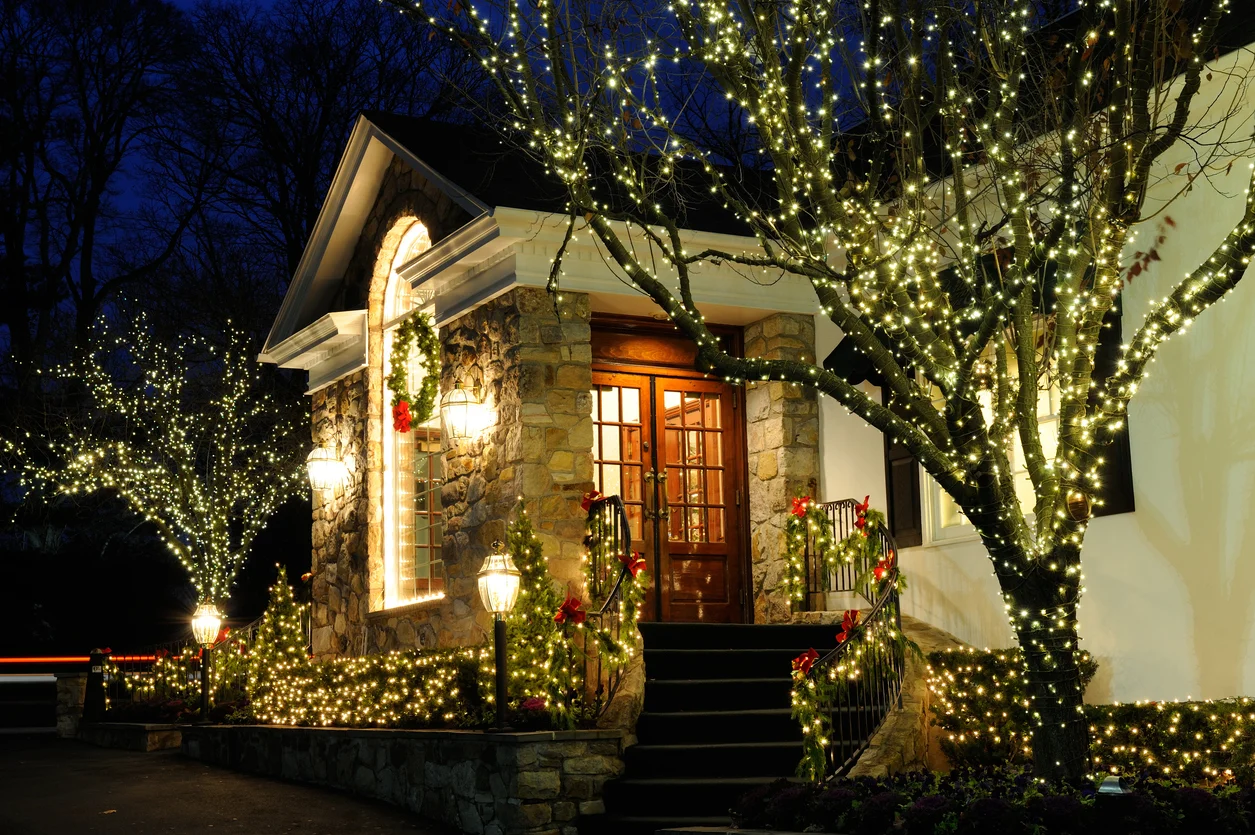
The holiday season brings plenty of excitement, but it also places extra demands on your home's electrical system. Decorative lights, inflatable displays, slow cookers, space heaters, extra guests, charging devices, and marathon baking sessions can all add up quickly. If your home already feels stretched during everyday use, it's reasonable to wonder whether it can safely handle the holiday rush.
That's especially true in many St. Louis homes, where electrical systems may have been installed decades before today's appliances and electronics became part of daily life. A little preparation can go a long way toward helping you enjoy the season without unexpected electrical problems.
Why the Holidays Put More Stress on Your Electrical System
An electrical circuit is designed to carry only a certain amount of current. When too many devices draw power from the same circuit, the wiring heats up, and the breaker may trip to prevent damage.
During the holidays, it's common for several high-demand items to run out at the same time.
Think about everything happening at once:
- Holiday lights indoors and outdoors
- Window candles and decorative displays
- Space heaters during colder weather
- Ovens, air fryers, and slow cookers preparing meals
- TVs, gaming systems, and device chargers for visiting family
- Extra lighting as evenings get darker earlier
Individually, these items may not seem like much. Together, they can place far more demand on your electrical system than it handles during a typical week.
If your breakers frequently trip during the holidays, they're doing exactly what they're designed to do—alerting you that the circuit is carrying more electricity than it's rated for. Repeatedly resetting a breaker without addressing the cause isn't a long-term solution.
Older Homes Often Have Less Room for Extra Demand
One reason holiday electrical problems tend to appear in older homes is simple: electrical systems were designed for a different lifestyle.
Many homes throughout the St. Louis area were built long before:
- Large kitchen appliances became common
- Home offices required multiple electronics
- Flat-screen televisions and gaming systems were everyday items
- Electric vehicle chargers and smart home devices existed
Even if previous owners updated portions of the home's electrical system, the original service panel or branch circuits may still be carrying more demand than they were intended to handle.
Some older homes may also contain:
- Aluminum branch wiring
- Knob-and-tube wiring
- Outdated electrical panels
- Limited 100-amp electrical service
These systems aren't automatically unsafe, but they deserve extra attention before adding several weeks of seasonal electrical use.
Warning Signs Your Electrical System Is Already Working Hard
You don't have to wait until holiday decorations are plugged in to know your electrical system may be nearing its limit.
Watch for warning signs such as:
Flickering Lights
If lights dim or flicker whenever the microwave, furnace, or another large appliance starts, your electrical system may already be under strain.
Frequently Tripped Breakers
A breaker that trips occasionally after a major overload is doing its job.
A breaker that trips repeatedly during normal household use deserves a closer look before additional holiday decorations and appliances are added.
Warm Outlets or Switches
Outlets and switch plates should remain cool during normal operation.
If they feel warm to the touch, heat may be building inside the electrical connection—a sign that shouldn't be ignored.
Burning Odors or Scorch Marks
Discoloration around an outlet or the smell of melting plastic usually indicates overheating.
If you notice either of these warning signs, stop using that outlet until it has been inspected by a licensed electrician.
Smart Ways to Reduce Holiday Electrical Demand
Fortunately, you don't have to scale back your holiday traditions to ease the load on your electrical system.
A few practical adjustments can make a noticeable difference.
Choose LED Holiday Lights
Modern LED holiday lights use significantly less electricity than older incandescent strands while producing the same festive appearance.
Because they generate less heat and require less power, LEDs allow you to decorate more efficiently without placing as much strain on your circuits.
Spread Decorations Across Multiple Circuits
It's tempting to plug everything into one convenient outlet, especially near the front door or living room.
The problem is that several nearby outlets often share the same electrical circuit.
Instead of concentrating every decoration in one location, distribute lights and decorations among outlets on different circuits whenever possible.
Avoid plugging multiple power strips into one another, a practice known as daisy-chaining, which can overload both the strip and the circuit supplying it.
Use Timers for Outdoor Displays
Holiday lights don't need to stay on all night.
Plug-in timers automatically turn decorations on and off, reducing the number of hours your electrical system carries the extra load while also helping lower energy use.
It's a simple upgrade that requires very little effort once installed.
Inspect Extension Cords Before Using Them
Extension cords are intended for temporary use—not as permanent wiring.
Before decorating:
- Replace cords with cracked insulation.
- Avoid running cords under rugs or furniture.
- Use outdoor-rated cords for exterior decorations.
- Never overload one extension cord with multiple high-wattage devices.
Taking a few minutes to inspect your equipment each season can help prevent avoidable problems later.
Don't Overlook the Kitchen During Holiday Gatherings
Decorations often get the attention, but the kitchen is where many homes experience their heaviest electrical demand.
Holiday meals frequently mean running several high-powered appliances at once, including:
- Electric ovens
- Countertop roasters
- Air fryers
- Slow cookers
- Coffee makers
- Stand mixers
When multiple appliances share the same circuit, it's much easier to overload it.
As a general rule, plug larger kitchen appliances directly into wall outlets instead of power strips or extension cords. If possible, avoid operating several high-wattage appliances on the same circuit at the same time.
Also, make sure outlets near sinks are protected by GFCI outlets. These safety devices help reduce the risk of electrical shock in areas where water and electricity may come into contact.
When a Pre-Holiday Electrical Inspection Is Worth Considering
If your home has an older electrical system, you've noticed recurring electrical issues, or you're planning a large holiday display, scheduling an inspection before the season is in full swing can be a smart decision.
A licensed electrician can evaluate whether your electrical system is prepared for the added demand and identify concerns that aren't visible from the outside.
During an inspection, they may:
- Examine the electrical panel for signs of wear or overheating.
- Check whether your home's electrical service matches your current power needs.
- Look for loose connections or aging wiring.
- Test GFCI protection in kitchens, bathrooms, garages, and outdoor areas.
- Identify circuits that are already carrying heavy electrical loads.
These inspections aren't just about finding problems—they help homeowners understand how their electrical system is performing before the busiest time of year.
For homes with older wiring, previous renovations, or expanding electrical needs, a professional assessment can provide valuable insight into whether upgrades or repairs should be considered.
Small Habits That Make a Big Difference
Holiday electrical safety isn't just about your home's wiring. Everyday habits also play a role in preventing overloaded circuits.
A few simple practices can reduce unnecessary strain on your electrical system:
- Turn off decorative lights before going to bed or leaving the house.
- Unplug decorations that aren't being used.
- Keep space heaters plugged directly into wall outlets.
- Avoid running multiple high-wattage appliances on the same circuit.
- Replace damaged light strands instead of trying to repair them.
- Test GFCI outlets before using outdoor decorations.
These steps take only a few minutes but can help your electrical system handle the holiday season more comfortably.
Looking Beyond This Holiday Season
If your breakers trip every December, lights dim whenever several appliances are running, or you've gradually added more electronics over the years, your home may simply need more electrical capacity.
Many homeowners don't realize how much their electrical demands have changed.
Home offices, entertainment systems, electric vehicles, larger kitchen appliances, and smart home technology all require more power than homes built decades ago were originally designed to support.
If holiday decorations consistently push your electrical system to its limits, it may be time to think beyond temporary workarounds and consider improvements such as:
- Electrical panel upgrades
- Dedicated circuits for high-demand appliances
- Wiring updates
- Whole-home electrical safety inspections
Making these improvements can help your home's electrical system keep up with the way you actually live—not just during the holidays, but throughout the year.
Get Your Home Ready Before the Holiday Rush
A little planning now can help you avoid inconvenient outages and electrical problems once the celebrations begin. If your home has an older electrical system, you've noticed warning signs, or you're unsure whether your panel can handle the extra seasonal demand, having it evaluated before decorating is a practical next step.
Potts Electric provides electrical safety inspections, electrical panel upgrades, wiring services, and electrical troubleshooting for homeowners throughout the St. Louis area.
Don't let electrical problems interrupt your holiday traditions. Call (636) 322-2006 today to schedule an inspection or contact our team to book your appointment.