
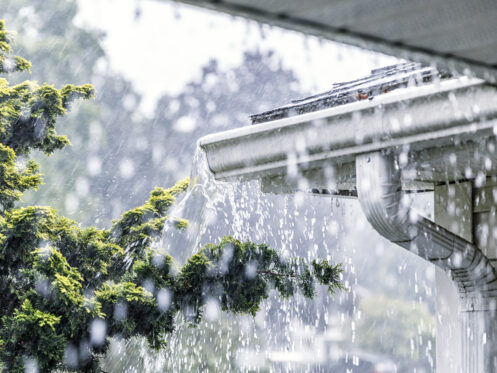
Fall weather can shift fast, bringing strong winds, heavy rain and long nights that put your home’s electrical system to the test. Power outages, surge damage and water-related electrical failures often show up when you least expect them.
If you want your system to hold steady when the weather turns rough, you’ll need to handle a few things before the next storm shows up. At Potts Electric, in St. Louis, MO, we help homeowners strengthen their setups before the forecast changes.
Tree Damage and Downed Lines Start at the Ground Level
When storms roll through in the fall, they bring soaked soil, strong gusts and unpredictable lightning. A lot of electrical damage begins outside, not in your wiring.
Tree limbs that have grown too close to service lines are one of the biggest early risks. Branches don’t need to snap entirely to interrupt power or break connections. All it takes is a heavy limb to sag onto overhead lines or rub insulation raw over time. You can’t control the weather, but you can take a hard look at tree placement, lean angles and clearance.
If any trees on your property hang near utility lines or the main service drop, it’s time to call a professional tree trimmer. Cutting too close to the line without training can cause serious injury or fire. You should also check for roots near your grounding rod. Shifting soil and invasive roots can disrupt that rod’s ability to stabilize your electrical system during a surge.
Fall: A Stress Test for Older Electrical Panels
Aging breaker panels are more likely to trip when the load shifts quickly or when power cuts out and surges back in. Fall weather brings both. Sudden outages followed by full-restoration spikes can push an older panel beyond what it can safely manage.
You might start noticing symptoms like breakers that won’t reset, lights that flicker when appliances turn on or burning smells near the panel. If your breaker box still uses fuses or hasn’t been updated in over 30 years, you’re overdue for a replacement. Panels that were safe years ago may no longer meet current safety standards, especially if you’ve added modern HVAC equipment or smart appliances.
Look for rust or corrosion on the panel door, which can signal moisture infiltration. That becomes more likely during the fall when humidity increases and storms hit, in short succession. Every time moisture reaches live components, it shortens the life of your system and raises the risk of shorts or arcs.
Gutters, Conduits and Water Leaks Don’t Mix
It’s easy to overlook where water travels during a storm until you find it pooling inside your outlets. Outdoor conduits, junction boxes and panel enclosures should be sealed tightly, but those seals wear down as your home ages.
Gutters that overflow can dump water right along your conduit lines or toward the base of your main service panel. In some homes, those panels sit low on an exterior wall with no canopy or splash protection. One poorly placed downspout can turn your power setup into a hazard.
During the fall, check for signs of water trails, staining or warped metal near any electrical equipment. Interior water leaks matter, too. An attic leak can drip into recessed light cans or junction boxes, especially if those boxes were never sealed with covers. That’s when you get buzzing sounds, breaker trips or scorched insulation. Once moisture gets inside the box, it does more than just rust the metal. It spreads through your insulation and increases resistance, which causes heat.
Surge Protection Starts Before the First Drop Falls
Whole-home surge protection gets attention after a power event, but its value comes before anything fails. Fall storms cause a unique type of fluctuation. The grid may lose power in staggered waves, which creates brownouts before a full blackout.
During brownouts, your appliances struggle to run on low voltage, which wears out internal parts. Then when the grid bounces back, voltage spikes hit hard. Surge protectors don’t just protect against lightning. They also absorb damage from these types of rolling disturbances.
If you have sensitive electronics, like gaming systems, smart thermostats or backup servers, those spikes are more than a nuisance. You also need to protect circuits that power garage doors, electric ranges and HVAC systems.
When fall storm activity increases, grid instability tends to follow. Your best defense is a panel-mounted surge protector that shields your entire home. Plug-in strips aren’t enough to handle the size of the hit from a major grid recovery.
Back-Feed Risk From Portable Generators Is Real
When the lights go out, it’s tempting to fire up the portable generator. That alone isn’t dangerous, but the way you connect it matters. Plugging a generator into a wall outlet to back-feed your panel is illegal in most places and dangerous everywhere. It sends power back through the line, which puts utility workers at risk and damages your electrical system.
A transfer switch separates your home’s circuits from the grid during generator use. That switch can be automatic or manual, but it needs to be installed properly and tested before storm season. If your portable generator doesn’t have a built-in inverter, you also need to check voltage quality.
Poor-quality power from cheap generators can cause appliance damage even without surges. Use only heavy-duty extension cords rated for outdoor use, and plug them directly into the generator if you don’t have a transfer switch. Never run cords through windows or doors, which can pinch insulation and cause shorts.
Fall Means Earlier Sunsets and Larger Lighting Loads
As daylight hours shrink, your lighting circuits start doing more work. That might not seem like a big deal, but it can tip the balance on older or overloaded circuits. If you’ve added landscape lighting, garage shop lights or exterior LED arrays, you’re drawing more power than your system was originally wired for.
Fall’s extended darkness also makes power loss more disruptive. You don’t want to be fumbling for a flashlight while resetting breakers in the dark. This is a good time to walk through your home and test light switches, dimmers and outdoor lighting controls. Any delay, flicker or humming sound is a sign that the circuit needs to be evaluated.
Many exterior light issues start with bad junction box seals or loose wire nuts exposed to moisture. Once those connections corrode, resistance builds, which reduces power and shortens bulb life. A circuit that can’t hold steady voltage will also reduce the brightness and reliability of motion sensors.
Breakers That Trip During Storms Might Be Telling You Something
If your breakers trip every time a storm hits, you’re probably not just dealing with bad luck. Intermittent tripping is often a sign of deeper problems, like weak insulation, undersized wiring or aging circuits, that can’t maintain voltage under stress.
The combination of high humidity, wind-driven moisture and voltage irregularities makes weak spots show up fast. You might notice that the same circuit always trips when it rains. That could mean moisture is leaking into a box or junction somewhere along that line.
If your HVAC system or refrigerator shuts off during storms, check whether the breaker is undersized for the startup load or if the unit shares the circuit with other large appliances. Breakers don’t always fail dramatically. Some degrade over time and trip too early, even when there’s no overload. It’s worth replacing those if they’re older or match a recall list. Identifying the source early can help you avoid a full outage or equipment damage when storms get worse.
Call Us Today and Be Electrically Prepared for Stormy Weather
Storm season doesn’t wait for a convenient time to expose weaknesses in your electrical system. Whether you need to replace a failing panel, install whole-home surge protection or troubleshoot storm-triggered flickering, you’ll be in a better spot if you plan now. We also install backup generators, ground fault protection and smart-panel upgrades.
If you want a system that holds strong through fall’s wild swings, give Potts Electric a call for electrical services, and let’s get started.
